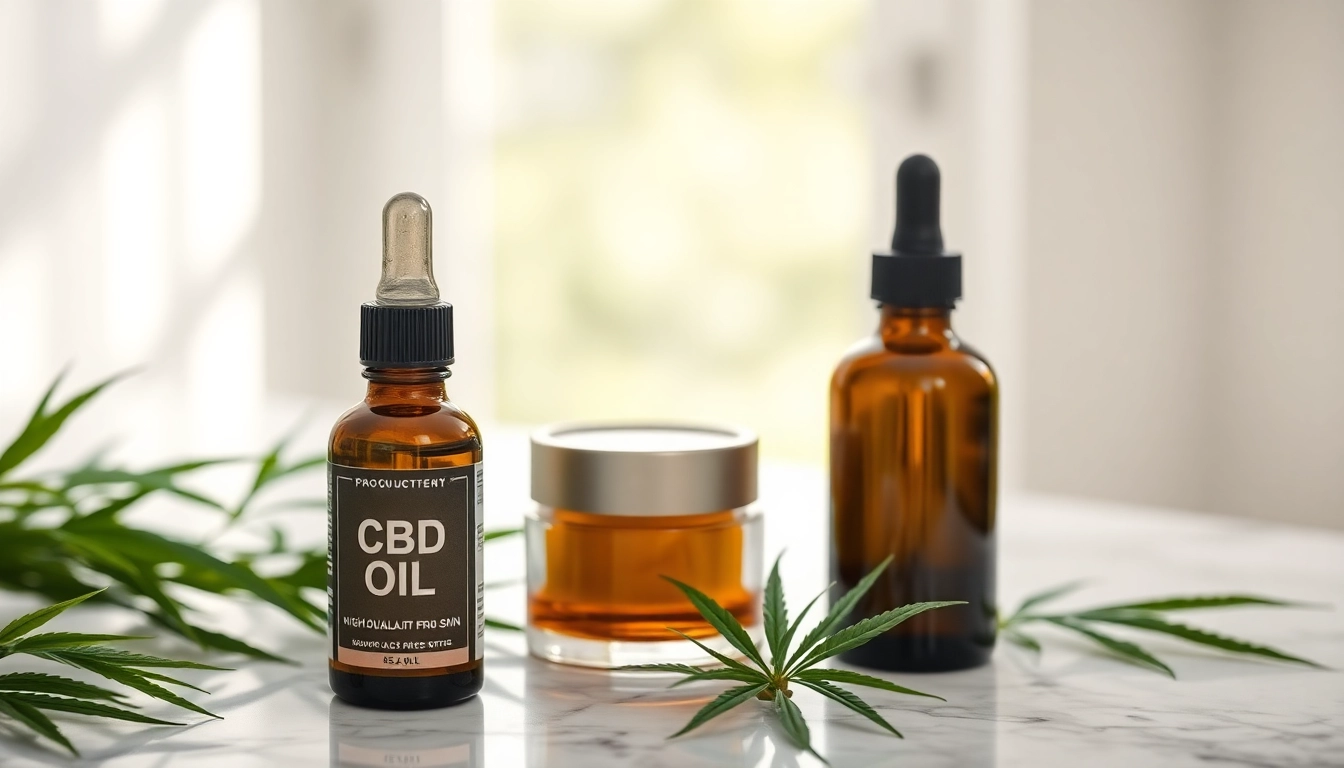

Understanding CBD Oil: What It Is and How It Works
Cannabidiol, commonly known as CBD, has gained immense popularity as a natural remedy for various health concerns. Notably, CBD Oil is one of the most widespread forms of CBD, pushing its way into wellness routines across the globe. Understanding what CBD Oil is and how it functions is vital for anyone considering its use for health management.
The Basics of CBD Oil Composition
CBD Oil is derived from the cannabis plant, particularly from the hemp variety which contains only trace amounts of tetrahydrocannabinol (THC), the psychoactive compound found in marijuana. The extraction process typically uses solvents or oils that capture the cannabinoids, terpenes, and other beneficial compounds while filtering out unwanted components.
Cannabidiol is just one of over a hundred cannabinoids found in cannabis, but it is notable for its non-intoxicating nature. CBD Oil can vary significantly in terms of composition, with possible added ingredients including essential oils, flavorings, or other cannabinoids.
The Mechanism of Action in the Body
The human body has an endocannabinoid system (ECS) that plays a crucial role in regulating various physiological functions. This system consists of cannabinoid receptors that bind to cannabinoids, allowing them to interact with neurotransmitters to promote homeostasis. CBD interacts primarily with the CB1 and CB2 receptors, which can help modulate pain perception, inflammation response, and mood, among other functions.
Research suggests that CBD may enhance the body’s natural activity of endocannabinoids, leading to improved regulation of critical functions such as pain relief, anxiety reduction, and memory enhancement.
Different Types of CBD Oil Available
CBD Oils come in several formulations that cater to various preferences and needs:
- Full-Spectrum CBD Oil: Contains all cannabinoids, terpenes, and essential oils from the hemp plant, including trace amounts of THC. This combination may boost the overall effectiveness through the “entourage effect.”
- Broad-Spectrum CBD Oil: Contains a range of cannabinoids and compounds but is THC-free, ideal for those who may wish to avoid THC entirely.
- CBD Isolate: A pure form of CBD that has been isolated from all other cannabinoids, terpenes, and oils, making it the most concentrated version of CBD available.
Health Benefits of CBD Oil: What Research Reveals
Numerous studies have illuminated the potential health benefits of CBD Oil, sparking interest among healthcare providers, patients, and consumers alike. Below are key areas where CBD Oil has been researched.
Anti-Inflammatory Properties of CBD Oil
CBD’s potential to reduce inflammation is one of its most lauded benefits. Inflammation is a natural response to injury or infection, but chronic inflammation can lead to various health issues, including autoimmune disorders. Research indicates that CBD interacts with receptors in the ECS to modulate inflammatory responses effectively. Studies have found that CBD can reduce the production of inflammatory markers, which may benefit conditions like arthritis and inflammatory bowel diseases.
CBD Oil and Mental Health Improvements
The relationship between CBD Oil and mental health is complex and continuously developing. Evidence suggests that CBD may alleviate symptoms of anxiety and depression by influencing serotonin levels in the brain. Serotonin is a neurotransmitter that contributes to feelings of well-being and happiness. Clinical trials have shown promising results, particularly in reducing anxiety in social situations and managing generalized anxiety disorder.
Additionally, CBD may aid in managing post-traumatic stress disorder (PTSD) symptoms, providing relief without the intoxicating effects associated with THC.
Pain Management Through CBD Oil Use
Chronic pain affects millions of people worldwide, and traditional pain management strategies can often lead to dependency or adverse side effects. CBD Oil is emerging as a viable alternative for pain relief. Research has shown that CBD can alter pain perception pathways in the brain, effectively decreasing the sensation of pain. Its anti-inflammatory properties further enhance its effectiveness for conditions such as neuropathic pain, fibromyalgia, and multiple sclerosis.
How to Use CBD Oil Safely
While CBD Oil presents numerous health benefits, its use must be approached cautiously. Understanding dosages, consumption methods, and potential side effects is crucial for maximizing benefits while minimizing risks.
Recommended Dosages for Various Needs
Determining the right dosage of CBD Oil is highly individualized and can depend on factors such as body weight, metabolism, and the specific health goal. For beginners, a conservative dose of 5-10 mg of CBD daily is often recommended, gradually increasing as needed. It’s essential to consult with a healthcare professional for an accurate dosage tailored to individual needs.
Methods of Consumption: Oils, Tinctures, and More
CBD Oil can be consumed through various methods, each suitable for different preferences:
- Sublingual Tinctures: Placing drops of CBD Oil under the tongue allows for rapid absorption into the bloodstream.
- Capsules and Edibles: These are convenient to use but often result in a slower onset of effects as they must go through the digestive system.
- Topicals: CBD-infused creams and balms can be applied directly to the skin, providing localized relief.
- Vaping: Using a vape pen can provide immediate effects but raises concerns over potential lung health risks.
Potential Side Effects and Risks Involved
While CBD Oil is generally well-tolerated, some individuals may experience side effects including drowsiness, gastrointestinal discomfort, or changes in appetite. It’s crucial for users to be aware of these possibilities and to monitor their responses closely. Consulting with a healthcare professional before starting CBD can mitigate the risks associated with its use.
Choosing the Right CBD Oil for Your Needs
With the explosion of the CBD market, selecting a high-quality product can be challenging. Understanding label information, sourcing, and customer feedback plays a vital role in making informed decisions.
Understanding Label Information and Ingredients
When selecting CBD Oil, reading the product label is paramount. Consumers should look for information regarding the type of CBD used (full-spectrum, broad-spectrum, or isolate), concentration levels, and ingredient transparency. Additionally, reputable brands will provide lab test results to ensure quality and purity, confirming that their products contain the stated cannabinoid content without harmful contaminants.
Factors Affecting Quality: Sourcing and Testing
Manufacturing and sourcing practices significantly impact CBD Oil quality. Look for products derived from organic hemp, cultivated in areas with strict agricultural guidelines. Third-party testing ensures the product’s safety and efficacy while verifying the absence of pesticides, heavy metals, and harmful solvents.
Customer Reviews: What to Look For
Reading customer reviews can provide valuable insights into product quality and effectiveness. Potential users should focus on genuine testimonials that discuss both positive results and any side effects encountered. Patterns in feedback can help in discerning the reliability of a product.
Legal Considerations and Future of CBD Oil
The legal landscape surrounding CBD Oil is rapidly evolving. As more research emerges and public sentiment shifts, laws continue to change, necessitating awareness from consumers regarding legal implications in their states.
Current Legal Status of CBD Oil in the U.S.
In the United States, CBD Oil laws have been greatly influenced by the 2018 Farm Bill, which defined hemp-derived CBD as legal on a federal level as long as it contains less than 0.3% THC. However, state laws can vary significantly; some states have embraced CBD while others impose stringent regulations. It is crucial for users to understand their local laws to avoid legal repercussions.
Market Trends and Innovations in CBD Products
The CBD industry is witnessing constant innovation, driven by consumer demand for effective solutions. Innovations may include enhanced delivery mechanisms to improve bioavailability, novel formulations targeting specific issues, and the expansion of CBD use in diverse industries from food to cosmetics. This growth trajectory signifies a promising future for CBD as a wellness staple.
Future Research Directions for CBD Oil Therapeutics
While current research supports various uses of CBD Oil, more extensive clinical trials are needed to establish standardized dosages and understand long-term effects. Future studies will likely explore its efficacy in a broader range of medical conditions, including neurological disorders, metabolic syndromes, and its role as an adjunct therapy in clinical settings.