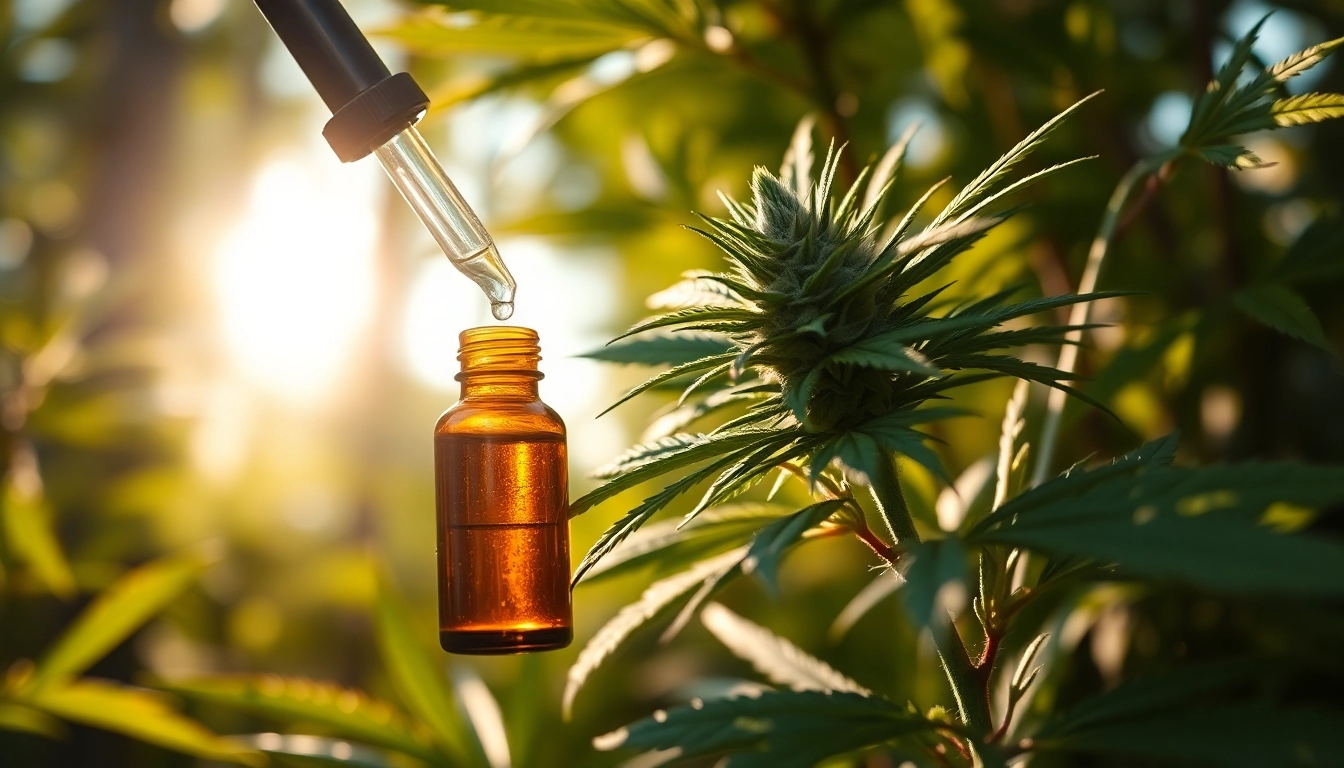
What is CBD? An Overview
Cannabidiol, commonly referred to as CBD, is a non-psychoactive compound derived from the cannabis plant. Unlike its more famous counterpart, tetrahydrocannabinol (THC), CBD does not induce a high, making it a popular choice for those seeking the therapeutic benefits of cannabis without the associated intoxicating effects. It has gained significant attention in health circles and mainstream culture alike, thanks not only to its variety of applications but also to ongoing research that continues to unveil its potential. To dive deeper into the world of CBD and its benefits, you can explore resources that detail its implications for health and wellness, including CBD as a natural remedy.
The Origins of CBD
The origins of CBD can be traced back thousands of years, where cannabis was utilized for medicinal purposes. Historical records document the use of cannabis in ancient cultures for a variety of ailments, spanning from pain relief to digestive issues. It wasn’t until the 20th century that CBD was isolated from the cannabis plant, as researchers began exploring its chemical properties and health benefits. As scientists delved deeper into the cannabis plant’s complex chemistry, they identified over a hundred potential cannabinoids, among which CBD emerged as a standout for its unique therapeutic properties.
How CBD Works in the Body
Understanding how CBD works requires an overview of the endocannabinoid system (ECS), a complex network of receptors present throughout the body that regulate various physiological processes, such as mood, memory, sleep, and pain perception. CBD interacts with the ECS primarily through its action on cannabinoid receptors, which modulate neurotransmitter release and influence various bodily functions. Unlike THC, however, CBD does not bind directly to these receptors; instead, it influences the ECS by enhancing the levels of naturally occurring endocannabinoids in the body. This mechanism may help explain why CBD holds potential in alleviating conditions such as anxiety, chronic pain, and inflammation.
Types of CBD Products Available
The market is flooded with various forms of CBD products, catering to different preferences and lifestyles. CBD oils and tinctures are among the most popular, allowing for easy sublingual administration. CBD capsules and edibles, such as gummies, provide a convenient and discreet method for consumption. For those seeking localized relief, CBD topical applications, including creams and balms, can be beneficial for soothing skin irritations or muscle discomfort. Additionally, the rise of CBD-infused beverages has opened new avenues for incorporating CBD into daily routines. Each product type offers unique advantages, and users can choose according to their individual needs and preferences.
Potential Benefits of CBD
CBD for Pain Relief
Research surrounding the potential analgesic properties of CBD is promising. Many individuals suffering from chronic pain conditions have reported relief after using CBD products. The compound’s ability to interact with the ECS suggests it may be effective in modulating pain signals and reducing inflammation in the body. Studies are exploring CBD’s efficacy for conditions such as arthritis, fibromyalgia, and multiple sclerosis. Preliminary evidence indicates that CBD can alter pain perception and provide a way to manage discomfort without the side effects commonly associated with traditional medications.
Alleviating Anxiety and Stress
Many users find CBD beneficial for managing anxiety and stress levels. Scientific literature suggests that CBD may act on serotonin receptors in the brain, which play a key role in mood regulation. A review of existing studies indicates that CBD has the potential to reduce anxiety while improving the overall quality of life for individuals struggling with anxiety disorders. Furthermore, anecdotal evidence highlights the calming effects of CBD, with users reporting reduced symptoms during stressful situations, such as public speaking or social interactions.
Cognitive and Neurological Benefits
Emerging research suggests that CBD may offer neuroprotective properties, potentially benefiting those suffering from neurological disorders such as epilepsy and Alzheimer’s disease. In fact, CBD has gained FDA approval as a treatment for certain forms of epilepsy, demonstrating its promise as a therapeutic agent. Studies suggest that CBD may stabilize neurological function and reduce the intensity and frequency of seizures. Furthermore, ongoing research is exploring the compound’s potential in neurodegenerative diseases, with initial findings indicating a possible role in slowing disease progression and enhancing cognitive function.
Possible Side Effects and Risks of CBD
Common Side Effects
While many individuals tolerate CBD well, it is not without its side effects. Commonly reported adverse effects include dry mouth, fatigue, changes in appetite, and diarrhea. Understanding these potential side effects is crucial for those considering CBD as a treatment option. Notably, users should pay attention to their body’s response and consult with healthcare professionals if adverse reactions occur. Individual reactions to CBD can vary based on factors such as dosage and the specific product formulation.
Interactions with Medications
Another important consideration for those using CBD is its potential interaction with other medications. CBD can influence how the body metabolizes certain drugs, which may alter their effectiveness and increase the risk of side effects. It is essential for individuals taking prescription medications to discuss their CBD use with a healthcare provider to ensure safe consumption and to avoid possible complications. A thorough review of one’s medication regimen, including over-the-counter drugs and supplements, is advisable before starting CBD therapy.
Long-Term Use Considerations
Research on the long-term effects of CBD is still in its infancy, which leads to ongoing debates surrounding its safety and efficacy over prolonged periods. Users should consider monitoring their use and assessing any changes in health or wellness over time. Regular consultations with healthcare providers can aid in establishing a sustainable approach to CBD use while minimizing risks associated with long-term consumption. Additionally, ongoing research may provide valuable insights into the long-term safety profile of CBD and its place in therapeutic regimens.
Guidelines for Choosing CBD Products
Understanding CBD Labels and Dosages
When navigating the vast array of CBD products available, understanding product labels is vital. Labels typically indicate the concentration of CBD per serving and whether the product is full-spectrum, broad-spectrum, or isolate. Full-spectrum products contain all cannabinoids found in the cannabis plant, including trace amounts of THC, while broad-spectrum products contain multiple cannabinoids but are THC-free. Isolates are pure CBD without other compounds. Users should assess their tolerance and specific needs to determine the appropriate dosage. It is prudent to start with a lower dose and gradually increase as needed, paying attention to one’s body response.
Third-Party Testing and Safety
Quality and safety are paramount when selecting CBD products. Consumers are encouraged to seek out products that have undergone third-party testing, as this ensures the product’s potency, purity, and absence of harmful contaminants. Reputable manufacturers often provide Certificates of Analysis (COA) that detail laboratory results, giving consumers confidence in the product’s quality. This practice is essential for ensuring that the CBD product is safe and aligns with the consumer’s health goals.
Purchasing Considerations
When purchasing CBD, consumers should consider sourcing products from reputable brands known for their commitment to quality. Evaluating online reviews, company transparency regarding sourcing practices, and production methods can provide insight into product reliability. Additionally, understanding local regulations regarding CBD can inform purchasing decisions and compliance with relevant laws. Awareness of company ethics, such as sustainable sourcing and fair extraction practices, can also influence responsible consumer choices within this booming market.
Future of CBD: Trends and Regulations
Emerging Research on CBD
As interest in CBD continues to grow, the landscape of research is expanding. Ongoing studies are investigating the compound’s potential applications in a variety of health-related areas, from skin care to mental health. The rise of clinical trials examining the efficacy of CBD for specific medical conditions promises to deepen the understanding of its therapeutic potential. Emerging research will undoubtedly enhance the credibility of CBD within the medical community and provide consumers with more informed choices based on scientific evidence.
The Evolving Legal Landscape for CBD
The legal status of CBD continues to evolve as policymakers respond to public interest and scientific findings. Recent changes have prompted discussions surrounding legalization, regulation, and quality control, aimed at ensuring consumer safety. Consumers must remain informed about changes in legislation that may affect the availability and legal status of CBD products in their respective regions. Understanding local laws can help consumers navigate the CBD marketplace while adhering to regulations.
Market Trends and Consumer Demand
The rapid expansion of the CBD market reflects a growing consumer demand for natural remedies. Trends include the introduction of innovative products, such as CBD-infused foods and beverages, as well as an increased focus on wellness and holistic health approaches. As consumer preferences evolve, brands must adapt, responding with high-quality products that meet the needs of niche markets. Additionally, marketing strategies are changing to align with consumer values centered around sustainability, transparency, and ethical practices, marking an important shift in how CBD products are positioned and promoted.