
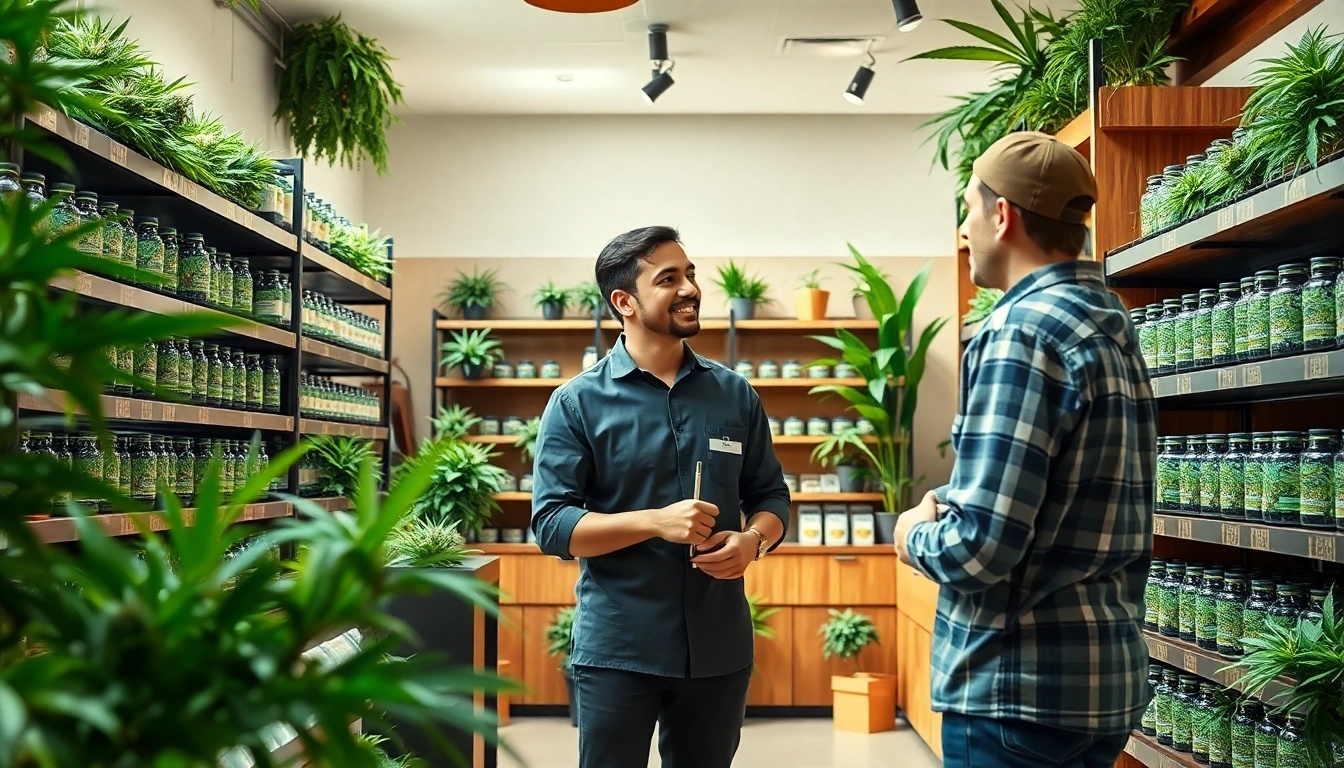
Understanding the Concept of a Weed Store
The growing acceptance and legalization of cannabis have led to the emergence of specialized retail outlets known as Weed Store. These stores offer a variety of cannabis-related products, catering to both recreational and medicinal users. As cannabis culture becomes more mainstream, understanding what constitutes a weed store, the variety of products available, and the regulations governing their operation is essential for both novice and experienced users alike.
What is a Weed Store?
A weed store is a retail establishment where customers can purchase cannabis products, which may include flowers, edibles, oils, and more. These stores operate under strict legal frameworks that determine their hours of operation, product types sold, and the age of customers they can serve. Unlike traditional retails, weed stores often have knowledgeable staff to assist customers in selecting the right products and understanding their effects.
Different Types of Weed Stores
Weed stores can be categorized into several types based on the type of clientele they serve and the products they offer:
- Recreational Dispensaries: These establishments cater to adult customers seeking cannabis for personal enjoyment. They typically offer a wide range of products including various strains of marijuana, edibles, and concentrates.
- Medical Dispensaries: Focused on serving patients with qualifying medical conditions, these dispensaries offer products aimed at alleviating specific health issues. Such stores often require medical documentation or a physician’s recommendation.
- Hybrid Stores: These are a combination of recreational and medical dispensaries, allowing them to serve both types of customers under one roof.
- Online Stores: Some weed outlets operate exclusively online, allowing customers to browse and order products from the comfort of their homes. These stores often provide delivery services or in-store pickup options.
Legalities and Regulations Surrounding Weed Stores
Each state has its own set of laws governing the sale and use of cannabis. These regulations dictate everything from the types of products that can be sold to how they are marketed. Compliance with state laws is crucial for weed stores to operate legally and avoid potential penalties. Key components of these regulations often include:
- Age restrictions: Most states require customers to be 21 years or older to purchase cannabis.
- Licensing: Weed stores must obtain proper licenses, which often involve background checks and financial disclosures.
- Advertising: Many jurisdictions limit how cannabis products can be advertised to the public, particularly to avoid targeting minors.
- Storage and Security: Regulations may require secure storage for cannabis products and surveillance systems to prevent theft.
Products Offered at a Weed Store
Weed stores provide a diverse array of cannabis products, each designed to meet varying preferences and needs. Understanding the different product types is essential for consumers to make informed decisions.
Types of Cannabis Products Available
The wide range of products available at weed stores can be classified into several categories:
- Marijuana Flower: Often referred to as 'bud', this is the most recognizable form of cannabis. It comes in various strains, each offering unique flavors, aromas, and effects.
- Concentrates: These are potent forms of cannabis made by extracting THC and other compounds. Concentrates, which include oils, waxes, and shatters, offer a stronger effect and are often vaporized.
- Edibles: Food products infused with cannabis, such as gummies, chocolates, and baked goods, provide a longer-lasting effect when consumed. They are available in various dosages, making it easy for consumers to find a suitable option.
- Tinctures and Oils: These liquid extracts provide a discreet and easy way to consume cannabis. Typically taken sublingually, tinctures offer fast-acting effects and are often used for medicinal purposes.
- Topicals: Cannabis-infused creams, balms, and lotions cater to users seeking localized relief from pain or inflammation without the psychoactive effects.
Edibles and Their Popularity
Edibles have surged in popularity due to their discretion and variety. Many consumers prefer edibles over smoking because they don’t involve inhaling smoke and can be more palatable for those who do not enjoy the taste of cannabis. However, edibles come with unique considerations:
- Dosage Awareness: Unlike smoking, edibles take longer to produce effects. New users are advised to start with a low dose and wait at least an hour before consuming more.
- Ingredient Quality: High-quality ingredient sourcing is crucial, particularly in products marketed as 'healthier' or organic.
- Legislation Compliance: Many regions have strict guidelines on how much THC can be included in a single edible, impacting product development and marketing.
Understanding CBD vs. THC Products
Two of the most well-known compounds in cannabis are CBD (cannabidiol) and THC (tetrahydrocannabinol), and their use differs significantly:
- CBD Products: Known for its therapeutic properties without the psychoactive effects associated with THC, CBD is often sought for stress relief, pain management, and anxiety reduction.
- THC Products: This compound is responsible for the 'high' associated with cannabis use. THC products are often used for recreational purposes, including relaxation and euphoria.
- Full Spectrum vs. Isolate: Full-spectrum products contain both CBD and THC, along with other cannabinoids, which may enhance their effectiveness. Isolate products contain only CBD.
Navigating Your Visit to a Weed Store
Visiting a weed store can be an overwhelming experience, especially for first-timers. Understanding what to expect can help ease any apprehensions and ensure a rewarding shopping experience.
What to Expect When You Visit
Upon entering a weed store, customers are often greeted with a welcoming and informative environment. Here’s what to expect:
- Age Verification: Staff will typically check identification to ensure compliance with age restrictions.
- Product Displays: Products are usually displayed in well-organized sections, allowing customers to browse easily.
- Knowledgeable Staff: Budtenders are on hand to answer questions, provide recommendations based on individual needs, and offer guidance on product usage.
- Consultation Rooms: Some stores have private areas for more in-depth consultations, especially in medical dispensaries.
How to Choose the Right Weed Store for You
Selecting a weed store that aligns with your needs can greatly enhance your shopping experience. Consider the following factors when making your choice:
- Product Variety: A store with a diverse range of products can cater to different preferences and needs.
- Reputation: Look for stores with positive customer reviews, which reflect reliable service and product quality.
- Location: Proximity can be crucial. A conveniently located store makes visits easier.
- Staff Expertise: Engage with staff to gauge their knowledge and willingness to help. Effective communication ensures better product selection.
Tips for First-Time Visitors
If you are visiting a weed store for the first time, here are some practical tips to enhance your experience:
- Do Your Research: Familiarize yourself with the different product types and their effects prior to your visit.
- Prepare Questions: Think about what you want to ask the staff, whether it's about product effects, recommended dosages, or pricing.
- Be Open-Minded: The staff's recommendations can offer insights into new products or methods of consumption you may not have considered.
- Respect the Atmosphere: Many weed stores foster a relaxed and respectful environment, so being considerate of other customers is essential.
Understanding Pricing and Quality
Pricing in a weed store can vary widely depending on product types, quality, and regional market trends. Understanding these differences can aid in making informed choices.
How Prices are Determined at a Weed Store
Several factors influence how prices are set in a weed store:
- Production Costs: This includes costs associated with cultivation, processing, and packaging of cannabis products.
- Quality of Product: Premium strains and high-quality extracts often come at a higher price due to their enhanced effects and refined production processes.
- Market Demand: In regions with larger customer bases, prices may fluctuate based on consumer demand for certain strains or products.
- Location: Stores in areas with higher living costs may reflect those expenses in their pricing structures.
Identifying Quality Cannabis Products
Recognizing quality cannabis products is key to ensuring a satisfying purchase. Look for the following indicators:
- Aroma: Quality cannabis often boasts a robust and pleasant aroma, indicating its freshness and cultivation conditions.
- Appearance: Well-cultivated cannabis should have vibrant colors and well-formed buds, indicative of good growing practices.
- Lab Testing: Seek products with lab test results available, demonstrating their potency and purity.
- Packaging: Quality products often come in packaging that preserves freshness and includes detailed labeling.
Comparing Prices Across Different Weed Stores
Price comparison can help customers find the best deals and value for their purchases:
- Online Research: Utilize online resources to compare prices between different stores in your area, checking for sales or promotional offers.
- Visit Multiple Stores: If possible, visit different stores to gauge pricing and product availability firsthand.
- Membership Programs: Inquire about loyalty or membership programs that can yield discounts for frequent customers.
The Future of Weed Stores
The landscape of weed stores is continuously evolving, shaped by consumer preferences, technological advances, and shifting regulatory environments. Understanding these trends can help consumers stay informed and enhance their shopping experiences.
Trends in the Cannabis Retail Industry
As cannabis becomes more mainstream, several trends are shaping the future of weed stores:
- Increased Focus on Wellness: Consumers are increasingly viewing cannabis as a wellness product, driving demand for organic, sustainably sourced products.
- Personalization: Tailored product recommendations, based on individual preferences and needs, are becoming popular among retailers, enhancing the shopping experience.
- Experiential Retail: Many stores are enhancing customer engagement through events, workshops, and tastings, fostering a community around cannabis culture.
Technological Innovations in Weed Stores
Technology plays a key role in shaping the experiences offered by weed stores:
- Online Retail Platforms: E-commerce has revolutionized how consumers access cannabis, allowing for convenience and wider product exploration from home.
- Digital Payment Solutions: As cash transactions decline due to regulatory challenges, digital payment solutions are becoming more common, streamlining the purchasing process.
- Inventory Management Technologies: Advanced inventory tracking and management systems help stores maintain product quality and availability, enhancing overall customer satisfaction.
The Evolving Customer Experience in Weed Stores
The focus on improving customer experience is a top priority as the cannabis industry matures. Expectations are rising among consumers, prompting stores to innovate continuously:
- Customer Education: Many weed stores are developing comprehensive educational materials, seminars, and workshops to help customers understand products and their uses better.
- Enhanced Customer Service: Personalized shopping experiences, where staff educate customers about product effects and usage methods, are increasingly becoming norm.
- Community Engagement: Weed stores are investing in their local communities through sponsorships, events, and supporting local initiatives, fostering brand loyalty and trust.