
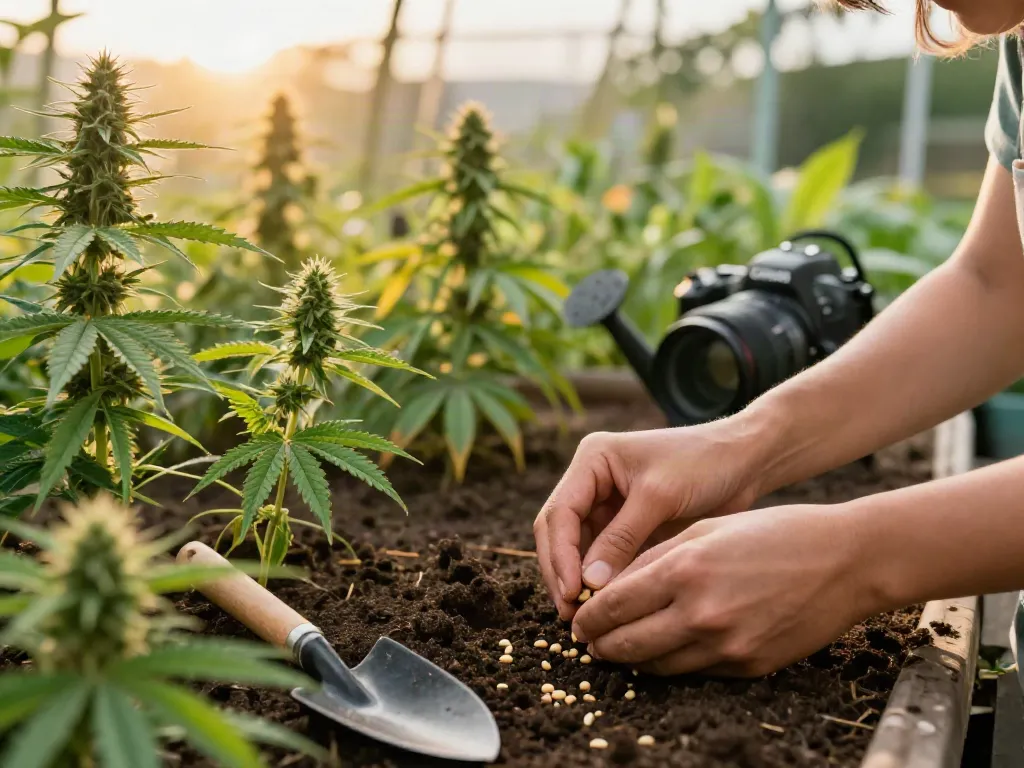
Understanding CBD Seeds
As the popularity of cannabis continues to grow, so does interest in its various forms, especially CBD (cannabidiol). CBD seeds are at the forefront of this trend, providing opportunities for growers to cultivate plants with therapeutic benefits. For both novice and experienced cultivators, understanding the nuances of CBD seeds can lead to successful harvests and enhanced wellness applications.
What Are CBD Seeds?
CBD seeds are cannabis seeds specifically bred to produce high concentrations of cannabidiol (CBD), a non-psychoactive compound known for its numerous therapeutic effects. Unlike traditional THC-dominant strains, which produce intoxicating effects, CBD-forward genetics offer a more therapeutic profile, making them suitable for a wide range of uses. These seeds can come in various forms, including feminized, regular, photoperiod, and autoflowering, catering to different growing conditions and preferences.
The Science Behind CBD Genetics
The genetic makeup of CBD seeds is crucial to their cannabinoid profile. Breeders meticulously select parent plants with desirable traits to create hybrids that emphasize CBD production while limiting THC content. This process involves stabilizing specific phenotypes over generations to ensure consistent outcomes. The heritable chemotype of the plant is influenced not just by genetics but also by environmental factors, making the conditions under which they are grown equally important.
How to Identify Quality CBD Seeds
Selecting high-quality CBD seeds starts with understanding the breeder's reputation and the strain's lineage. Look for reputable sources that provide complete cannabinoid profiles and testing results. A good seed bank will also offer insights into the plant's growth characteristics, such as yield potential, flowering time, and resistance to pests. Additionally, consider checking for customer reviews to gauge satisfaction and performance.
Benefits of Growing CBD Cannabis Seeds
Growing CBD cannabis seeds offers unique advantages that appeal to various cultivators, from hobbyists to commercial farmers. With an increasing demand for CBD products, cultivators can tap into a lucrative market while contributing to the wellness of their communities.
Therapeutic Effects of CBD
One of the primary reasons for cultivating CBD seeds is the therapeutic benefits associated with CBD. Users report relief from anxiety, chronic pain, inflammation, and even seizures. These effects are linked to CBD's interaction with the endocannabinoid system, which plays a crucial role in regulating numerous bodily functions. Growing your own CBD-rich plants ensures access to high-quality, organic products tailored to your needs.
Benefits of CBD Over THC-Dominant Strains
CBD has garnered attention for its ability to provide relief without the psychoactive effects of THC. This quality makes it an appealing option for those who wish to avoid feeling "high" while still seeking the medicinal properties of cannabis. Additionally, many CBD strains exhibit desirable flavors and aromas, enriching the overall experience for growers and consumers alike.
Why Choose High-CBD Varieties?
High-CBD varieties are increasingly favored due to their diverse applications. From therapeutic oils to topical creams, the versatility of CBD makes it a sought-after ingredient in many health and wellness products. Moreover, cultivating high-CBD plants allows growers to cater to specific clientele seeking natural alternatives to pharmaceuticals.
Selecting the Right CBD Strains
Choosing the right CBD strain is essential for achieving desired outcomes. With various options available, understanding the key factors can significantly influence the success of your cultivation efforts.
Factors to Consider Before Choosing CBD Seeds
Before selecting CBD seeds, consider factors such as your growing environment, the legal status of cannabis in your area, and personal preferences regarding cannabinoid ratios. Additionally, researching the strain’s growth habits, including its optimal growing conditions and potential challenges, can help in making informed decisions. Some growers may also want to align their choice with market trends to maximize profitability.
Differentiating Between Seed Types: Feminized, Autoflowering, Regular
Cultivators can choose from various seed types based on their specific needs:
- Feminized Seeds: Ensure that the plants produce only female flowers, which are essential for CBD production.
- Autoflowering Seeds: Transition from vegetative to flowering stages based on age rather than light cycles, making them ideal for novice growers.
- Regular Seeds: Contain both male and female plants, offering opportunities for breeding but requiring more experience to manage.
Popular CBD Strains to Grow in 2026
As the market evolves, certain CBD strains are emerging as favorites among growers. Popular options include:
- Charlotte's Web: Known for its high CBD content and low THC levels, it's ideal for therapeutic use.
- ACDC: This strain typically has a 20:1 CBD to THC ratio, making it highly sought after for medicinal purposes.
- Harlequin: A 5:2 CBD to THC strain offering balanced effects, popular for both recreational and medicinal users.
Best Practices for Growing CBD Seeds
To successfully cultivate CBD seeds, best practices must be followed to ensure healthy plant growth and optimal yields. Here are key considerations for growers.
Optimal Growing Conditions for CBD Plants
CBD plants thrive in environments that provide the right balance of light, temperature, humidity, and soil conditions. Ideally, CBD plants prefer a consistent temperature range of 70°F to 85°F (20°C to 29°C) and slightly elevated humidity during the vegetative phase. Implementing proper ventilation can also help prevent mold and pests, leading to healthier plants.
Watering, Feeding, and Nutrient Management
Watering and nutrient management are crucial for the healthy development of CBD plants. Over or under-watering can lead to root rot or nutrient deficiencies. It's advisable to check soil moisture levels regularly and to water deeply but infrequently. Additionally, using a nutrient-rich soil or supplementing with high-quality fertilizers can boost plant growth and cannabinoid production.
Common Mistakes to Avoid When Growing CBD Seeds
Even experienced growers can face challenges. Common mistakes include:
- Overwatering or underwatering plants.
- Neglecting light requirements or failing to provide adequate ventilation.
- Ignoring pest control measures, which can lead to infestations.
Awareness of these pitfalls allows growers to take proactive measures and ensure a flourishing crop.
Legal Considerations and Compliance
The legal landscape surrounding cannabis cultivation varies significantly depending on the region. Understanding local laws is critical for any grower to remain compliant.
Understanding CBD Legislation in Your Area
Before you start cultivating CBD seeds, familiarize yourself with your local cannabis laws. In the U.S., for instance, the 2018 Farm Bill legalized hemp-derived CBD with less than 0.3% THC federally, but state laws may vary widely. Consult local regulations to avoid potential legal issues.
Documentation and Compliance for Growers
Many areas require growers to maintain specific documentation to prove compliance with local regulations. This includes seed acquisition records, cultivation logs, and possibly even lab testing results to ascertain THC levels. Ensuring all necessary paperwork is in order can save growers from hefty fines or legal troubles.
Future Trends in CBD Legislation and Its Impact on Growers
The future of CBD legislation looks promising, with many experts predicting increased acceptance and regulation of cannabis products. As consumer demand for CBD grows, the legislative environment is likely to adapt, potentially leading to more favorable conditions for cultivators. Staying informed on these developments will allow growers to strategically plan their operations moving forward.
Where Can I Buy CBD Only Seeds?
Finding reputable sources for purchasing CBD seeds is crucial. Specialized seed banks often offer a range of strains that fit various growing conditions and preferences. Ensure you choose a supplier with positive reviews and transparent sourcing practices.
What Are Type 3 CBD Seeds?
Type 3 CBD seeds refer to cannabis seeds that are bred specifically to produce CBD-dominant plants while containing low levels of THC. These seeds are often sought after by those looking for therapeutic benefits without psychoactivity, making them suitable for a variety of applications.
What's the Difference Between Hemp Seed and CBD?
While both hemp seeds and CBD seeds come from the cannabis plant, they serve different purposes. Hemp seeds come from the plant's seeds and are rich in nutritional value, being utilized in food products and supplements. In contrast, CBD seeds are specifically cultivated to produce plants high in CBD for medicinal and therapeutic uses.

