
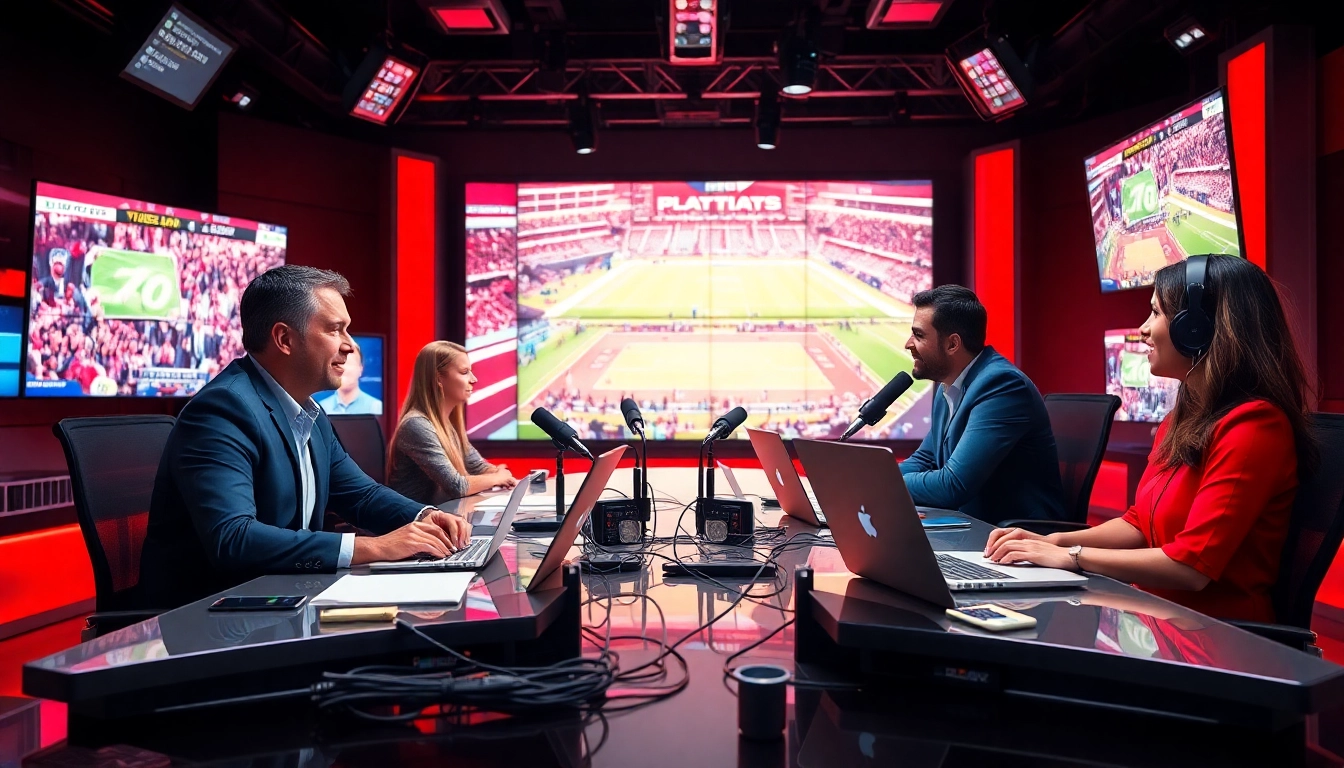
Understanding Sports Broadcasting
Definition of Sports Broadcasting
Sports Broadcasting refers to the distribution of sports content via television, radio, internet, or other platforms. It encompasses live games, highlight shows, interviews, and analysis. This domain bridges the gap between sports events and fans, providing a means through which enthusiasts can engage with their favorite teams and athletes, regardless of their geographical location. The transformative growth of Sports Broadcasting has revolutionized how sports are consumed, distributing not just the game but also the excitement and cultural significance behind it.
The Evolution of Sports Broadcasting
Over the decades, Sports Broadcasting has evolved dramatically, starting from radio broadcasts in the early 20th century, to black-and-white television in the 1950s, and now to high-definition and streaming platforms. Initially, radio was the primary medium for catching game updates, making broadcasting a crucial component of sports familiarity. The introduction of television in the 1950s allowed fans to witness live actions from the comfort of their homes, expanding viewership substantially. The emergence of cable channels in the 1980s and the advent of digital platforms have further propelled this evolution. Today, live streaming allows fans to watch events in real-time across various devices, making sports more accessible than ever.
Importance to Viewers and Fans
Sports Broadcasting plays a pivotal role in shaping fan culture and experiences. It not only provides access to live sports events but also fosters a sense of community among fans. Viewers feel connected to their favorite teams and athletes, as they follow narratives and statistics broadcasted during games. Moreover, broadcasting coverage significantly boosts the popularity of sports, encourages participation, enhances brand loyalty, and engages different demographics. Interactive programs and commentary can create a richer viewing experience, further establishing the emotional and cultural significance of sports among fans.
Key Technologies in Sports Broadcasting
Streaming Platforms and Their Impact
The rise of streaming platforms has dramatically altered the sports broadcasting landscape. Traditional cable subscriptions are declining as more viewers prefer on-demand content. Platforms like OTT (over-the-top) services provide flexibility, allowing fans to watch games at their convenience. The immediacy of streaming facilitates global viewership, as fans from different time zones can access live sports without traditional constraints. In addition, features like pause, rewind, and multi-screen viewing enhance user interaction, enabling a more personalized approach to content consumption.
Role of AI and Data Analytics
Artificial Intelligence (AI) and data analytics have become integral to sports broadcasting. AI can analyze vast datasets in real-time, providing insights that enhance viewer engagement. For instance, AI-generated graphics can display player statistics dynamically during a match, offering viewers a deeper understanding of the game. Predictive analytics can also inform broadcasters about viewer preferences, enabling tailored content delivery. These technologies not only enhance the viewing experience but also assist broadcasters in making data-driven decisions about programming and advertising, maximizing profitability and engagement.
Innovations in Broadcast Equipment
The evolution of broadcast equipment has increased the quality of sports programming significantly. High-definition cameras, drones for aerial footage, and 360-degree video capabilities allow broadcasters to capture stunning visuals that bring viewers closer to the action. Enhanced audio technologies, including immersive sound systems, create an atmospheric experience, making viewers feel as if they are present at the event. As technology continues to advance, the potential for richer and more engaging broadcast experiences grows, setting new standards for production quality.
Audience Engagement Strategies
Interactive Viewing Experiences
As consumption habits evolve, engaging viewers through interactive experiences has become paramount. Innovations such as polls, live chats, and interactive applications allow fans to participate actively during broadcasts. These experiences foster community amongst viewers, heightening their investment in the game. Furthermore, gamifying the viewing process encourages participation, making broadcasts more engaging and boosting viewer retention rates. Broadcasters need to continuously innovate and respond to feedback to ensure that interactive platforms enhance, rather than detract from, the core sporting experience.
Social Media's Role in Sports Broadcasting
Social media amplifies the reach of sports broadcasting significantly. Platforms like Twitter, Instagram, and TikTok provide immediate feedback loops and real-time commentary, creating a more dynamic dialogue between fans and broadcasters. This direct interaction humanizes the athletes and allows fans to feel closer to the events. More importantly, social media is a vital tool for marketers, enabling targeted advertising campaigns that resonate with sports fans. Broadcasters utilizing social media effectively can enhance viewer loyalty and create shareable content that extends reach beyond traditional broadcasting channels.
Building a Community around Sports
Sports broadcasting is about more than just showing the game; it is also about fostering community. Engaging your audience through storytelling, behind-the-scenes content, and featuring fan experiences creates an emotional connection with viewers. This sense of belonging is crucial for team support and enhances collective identity. Events such as virtual meet-and-greets or live Q&A sessions with athletes encourage direct engagement and allow fans to feel personally connected to their favorite teams. The more broadcasters invest in community, the more likely they are to experience increased viewership and loyalty levels.
Challenges Facing the Industry
Rights and Licensing Issues
The complex landscape of rights and licensing in sports broadcasting presents significant challenges. Ownership of broadcasting rights can be contentious, leading to disputes that affect consumer access. The negotiation process for these rights can be prolonged and costly, which can lead to fluctuating prices for consumers. Furthermore, sports franchises must navigate international laws regarding broadcast rights to maximize their audience reach. Maintaining transparency and fairness in these negotiations is necessary to ensure that fans can access the sports content they desire without disruption.
Competing with Traditional Media
Despite the rise of digital platforms, traditional media remains a strong competitor within the sports broadcasting arena. Established networks have loyal viewership and significant market share, making it challenging for newer entities to gain traction. Additionally, traditional media's capacity for mass viewership through cable has not been fully replicated by streaming services. However, innovative broadcasters can carve out their own niche by providing unique coverage or specializing in specific sport categories, establishing new audiences clearing areas traditional media may overlook.
Adaptation to Changing Viewer Habits
The shift in consumer behavior is another challenge for sports broadcasters. As viewers increasingly turn toward mobile and on-demand consumption, traditional broadcasting models may need to adapt significantly. Enhancing accessibility through various platforms is vital. Broadcasters should prioritize understanding their viewer demographics to refine content, timing, and delivery methods. This responsiveness can help retain viewers who are accustomed to fast-paced digital experiences, ensuring continued engagement with the sport.
The Future of Sports Broadcasting
Predictions for Upcoming Trends
As technology continues to advance, several trends are expected to shape the future of sports broadcasting. A focus on personalization where viewers can curate their own playlists or choose specific camera angles is on the rise. Furthermore, advancements in broadcasting through 5G technology promise enhanced streaming quality and reduced latency, transforming the user experience. The emergence of blockchain may offer new ways for rights management, streamlining how content is distributed and monetized. Overall, staying informed of these trends will be crucial for broadcasters looking to adapt effectively.
The Impact of Virtual and Augmented Reality
Virtual and Augmented Reality (VR and AR) technologies hold transformative potential for sports broadcasting. These technologies can offer immersive experiences, allowing viewers to watch sports from perspectives previously unattainable. Imagine a viewer being able to see the field from a player’s perspective or interact with the game environment at home. VR and AR can also enhance highlight reels, making them more engaging with 3D visual storytelling. Adopting these technologies will be critical for broadcasters aiming to capture a new generation of tech-savvy fans.
How to Stay Ahead in a Competitive Market
Successfully navigating the competitive landscape of sports broadcasting requires innovation and foresight. Broadcasters must actively invest in technology, and data analytics while continually refining viewer engagement strategies. Regularly assessing audience feedback and analytics can inform better programming decisions and alignment with consumer demands. Collaborations with tech partners also offer opportunities to enhance broadcasting experiences. Ultimately, embracing agility and adaptability will differentiate successful broadcasters from the rest.
Frequently Asked Questions
What is Sports Broadcasting?
Sports Broadcasting is the transmission of sporting events and related content through various media, including TV, radio, and online platforms, enhancing fan engagement.
How has technology changed Sports Broadcasting?
Technology has enabled high-definition broadcasts, streaming on-demand content, and interactive experiences, fundamentally altering how fans consume sports.
What challenges do sports broadcasters face today?
Broadcasters struggle with licensing issues, competition from traditional media, and the need to adapt to changing viewer habits, posing ongoing challenges in the industry.
What role does social media play in Sports Broadcasting?
Social media enhances viewer engagement by facilitating real-time interaction, content sharing, and dialogue around sporting events, allowing broadcasters to reach a wider audience.
What does the future hold for Sports Broadcasting?
The future of Sports Broadcasting will likely include more personalized experiences, immersive technologies like VR and AR, and increased adaptation to emerging streaming trends.