Understanding CBD Oil for Skin: Basics and Benefits
In the ever-evolving landscape of skincare, CBD oil for skin has emerged as a revolutionary ingredient gaining both consumer attention and scientific research support. Cannabidiol (CBD) oil, derived from the hemp plant, boasts numerous benefits that extend beyond relaxation and wellness into the realm of skincare. Understanding what CBD oil is, how it works, and the myriad benefits it can provide is essential for anyone looking to enhance their skincare routine.
What is CBD Oil and How is it Extracted?
CBD oil is a concentrated liquid extracted from the cannabis plant, particularly hemp, known for its therapeutic properties. The extraction process can be done using several methods, with the most common being CO2 extraction, which uses pressurized carbon dioxide to separate CBD from the plant material. This method ensures high purity levels, preserving beneficial compounds without introducing harmful solvents.
Alternatively, methods like solvent extraction or olive oil extraction are used; however, they may leave behind residual chemicals or have lower concentrations of CBD. Regardless of the extraction method, reputable brands ensure the use of organic hemp, maintaining the oil's quality and effectiveness.
How CBD Oil for Skin Works: The Science Behind It
CBD oil interacts with the endocannabinoid system (ECS) in our bodies, a complex cell-signaling system that plays a crucial role in maintaining homeostasis. The ECS consists of cannabinoid receptors, endocannabinoids, and enzymes that produce and break down these endocannabinoids. This system regulates various physical processes, including inflammation, pain response, and skin health.
When applied topically, CBD oil works by binding to the cannabinoid receptors in the skin, leading to reduced inflammation, balanced oil production, and a soothing effect on irritated skin. Research shows that CBD possesses anti-inflammatory properties, making it an invaluable ingredient for conditions affecting the skin.
Potential Benefits of Using CBD Oil for Skin Health
The use of CBD oil in skincare products offers an impressive array of benefits:
- Anti-Inflammatory Properties: CBD's anti-inflammatory effects can help diminish redness and irritation, making it effective for sensitive and aggravated skin.
- Hydration: CBD oil can help to moisturize the skin, offering a protective barrier that prevents water loss, ensuring the skin remains supple.
- Antioxidant Effects: As a potent antioxidant, CBD oil can protect the skin against oxidative stress caused by free radicals and environmental damage.
- Acne Treatment: By regulating sebum production and exhibiting antibacterial properties, CBD oil can help reduce breakouts, making it suitable for acne-prone skin.
- Anti-Aging Benefits: Regular use of CBD oil may improve skin elasticity and reduce the appearance of fine lines and wrinkles due to its hydrating and antioxidant properties.
Common Skin Conditions CBD Oil Can Help Treat
Acne: Reducing Breakouts and Inflammation with CBD Oil
Acne is one of the most prevalent skin conditions affecting millions globally. It is often triggered by excessive sebum production, bacteria, and inflammation. CBD oil addresses these factors by moderating oil production and exhibiting antimicrobial effects. Clinical studies have indicated that CBD inhibits the sebaceous gland's activity, reducing the likelihood of clogged pores and resultant acne.
Moreover, the anti-inflammatory properties of CBD oil can provide relief from the redness and swelling associated with acne breakouts. Applying CBD oil topically helps in calming the skin and promoting healing. Many individuals have reported improvements in their acne condition after incorporating CBD oil into their routine.
Eczema and Psoriasis: Soothing Chronic Skin Conditions
Chronic skin conditions such as eczema and psoriasis often result in inflammation, redness, and pain. Research suggests that CBD oil can effectively alleviate symptoms associated with these disorders. For eczema, CBD can reduce itching and inflammation, allowing the skin to heal more effectively.
For psoriasis, CBD is thought to slow down the hyperproliferation of skin cells, a primary feature of this condition. It is crucial for individuals with these skin issues to consider CBD oil as a viable part of their management plan, as it may offer relief from the discomfort and flares of their conditions.
Anti-Aging Benefits: How CBD Oil for Skin Helps
As we age, our skin undergoes natural changes that manifest as dryness, loss of elasticity, and the appearance of fine lines. CBD oil acts as a powerful ally in the fight against the signs of aging. The hydrating properties of CBD help to nourish the skin, keeping it moisturized and reducing the depth and visibility of wrinkles.
Additionally, its antioxidant properties inhibit damage from free radicals and environmental stressors, promoting healthier skin overall. By incorporating CBD oil in a skincare regimen focused on anti-aging, individuals can potentially enhance their skin's texture and appearance significantly.
How to Choose the Right CBD Oil for Skin
Different Forms of CBD Oil: From Topicals to Tinctures
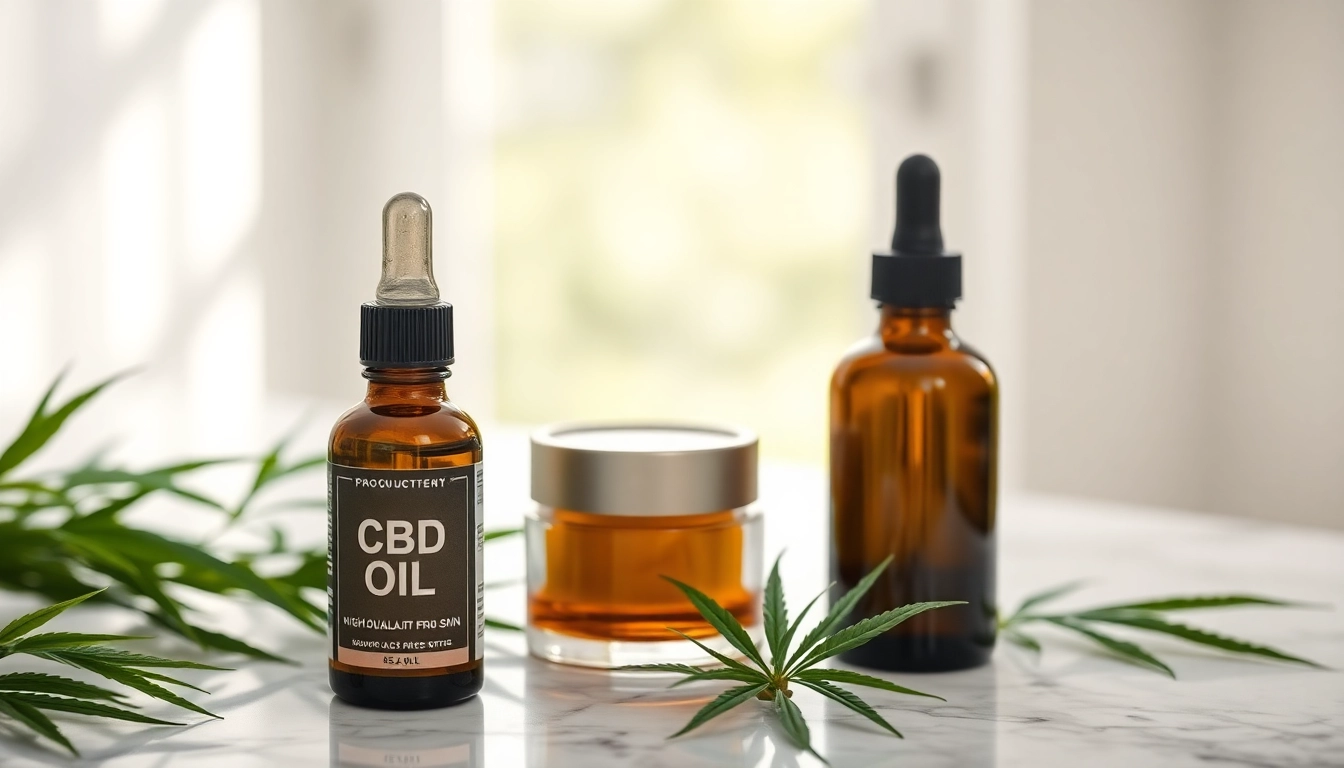
CBD oil is available in various forms suitable for skincare, including serums, creams, balms, and tinctures. Topicals are designed specifically for application to the skin, allowing for targeted relief in specific areas. On the other hand, tinctures may be taken orally but can also be mixed into existing skincare products for added benefits.
When selecting CBD oil, it's crucial to consider the intended use. Products formulated explicitly for skin will usually contain additional ingredients beneficial for the skin's health, such as essential oils and vitamins.
What to Look for on the Label: Quality and Ingredients
Not all CBD oils are created equal; consumers should pay attention to several key factors when purchasing:
- Source: Look for brands that use organic hemp grown in reputable regions.
- Full-Spectrum vs. Isolate: Full-spectrum products contain a range of cannabinoids and terpenes, potentially enhancing effectiveness.
- Third-party Testing: Ensure that the product has been tested by independent laboratories, with results available for verification.
- Ingredients List: Review the complete ingredients list for any potential allergens or harmful additives.
Understanding CBD Concentration and Effectiveness
The concentration of CBD in a product can significantly influence its effectiveness. Higher concentrations might be more beneficial for severe skin conditions, while lower concentrations can be suitable for everyday use in regular skincare routines. Consumers should experiment with different concentrations to find what works best for their unique skincare needs.
Incorporating CBD Oil into Your Skincare Routine
Best Practices for Application and Dosage
Integrating CBD oil into a skincare routine can be straightforward. Begin with thorough cleansing of the skin to maximize absorption. Here are some best practices:
- Patch Test: Always conduct a patch test on a small area of skin to check for adverse reactions.
- Layering: Apply CBD oil after cleansing and before heavier creams to ensure effective penetration into the skin.
- Consistency: Use consistently over weeks to observe improvements and adjusts according to individual responses.
Complementing CBD Oil with Other Skincare Ingredients
CBD oil can synergize well with other beneficial skincare ingredients. For instance, pairing it with hyaluronic acid can enhance hydration, while adding antioxidants like vitamins C and E may bolster its protective properties. However, caution is warranted; ensuring compatibility and avoiding potential irritants is essential.
User Testimonials: Real Results from CBD Oil for Skin
User experiences with CBD oil for skin are overwhelmingly positive. Many report significant improvements in skin health, from reduced acne and inflammation to enhanced hydration and youthful appearance. These testimonials reflect the versatility of CBD oil, making it a noteworthy contender in modern skincare regimens.
Potential Side Effects and Considerations
Safety of Using CBD Oil for Skin: What the Research Says
Currently, research suggests that CBD oil is safe for topical use, with few documented side effects. Users typically experience minimal risks if they choose high-quality products and patch test before use. Although adverse reactions are rare, some individuals may experience skin irritation or an allergic reaction to specific ingredients.
Possible Allergic Reactions and Skin Sensitivities
While CBD oil itself is unlikely to cause severe allergic reactions, the other ingredients in topical formulations can. Therefore, understanding your skin type and any allergies is crucial before incorporating new products. Keeping an eye out for any signs of irritation—itching, redness, or swelling—can help avoid complications.
Consulting with a Dermatologist: When to Seek Help
Although CBD oil can offer remarkable benefits, it is essential to consult with a dermatologist, especially for those with chronic skin conditions or ongoing skin issues. A professional can provide tailored advice on integrating CBD oil effectively and safely into an individualized care plan, optimizing results while minimizing risks.
Overall, CBD oil for skin presents a compelling option for those seeking to enhance their skincare regimen naturally. By tapping into the potential of this multi-faceted ingredient, individuals can work towards healthier skin while harnessing the power of nature's healing touch.