
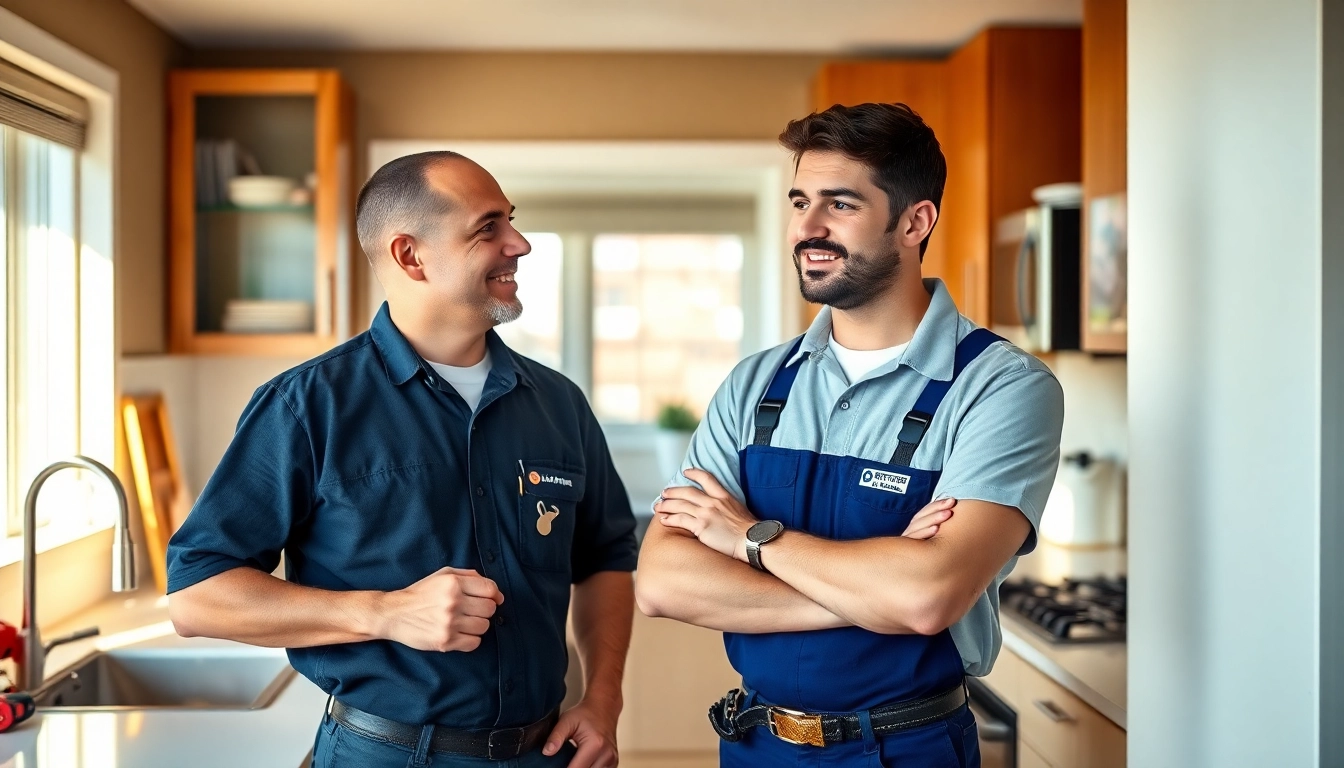
Understanding NYC Emergency Plumbing Needs
In the bustling city of New York, where every moment counts, plumbing emergencies can strike at the most inconvenient times. From burst pipes to overflowing toilets, these incidents require immediate attention to prevent further damage and costly repairs. Understanding common plumbing issues, local regulations, and how to identify emergencies is crucial for homeowners and business operators alike. For those in need of prompt assistance during a plumbing crisis, turning to a reliable nyc emergency plumber & sewer can make all the difference.
1. Common Plumbing Emergencies in NYC
New Yorkers face a unique set of plumbing challenges given the city’s age and infrastructure. Some of the most common emergencies include:
- Leaking Pipes: Often a result of aging infrastructure or sudden temperature changes, leaks can lead to water damage and mold growth.
- Clogged Drains: Kitchen sinks and bathroom fixtures are particularly susceptible to clogs from grease, hair, and foreign objects.
- Overflowing Toilets: This situation often requires immediate intervention, especially if it threatens to flood the bathroom.
- Water Heater Failures: A malfunctioning water heater can leave your household without hot water, which is especially inconvenient in winter.
- Sewer Backups: Backed-up sewer systems can pose significant health risks if not addressed quickly.
2. Your Local Regulations and Standards
New York City has specific plumbing codes that must be adhered to in order to ensure safety and compliance. Licensed plumbers are required to understand and follow these regulations, which include:
- Permits: Many plumbing repairs require permits, especially in commercial properties.
- Health and Safety Codes: Compliance with health standards is critical to prevent contamination and ensure clean drinking water.
- Inspection Requirements: Certain repairs may necessitate inspections to confirm safety practices are followed.
3. How to Identify a Plumbing Emergency
Determining whether a plumbing issue constitutes an emergency can save you time and money. Here are some signs that indicate the need for immediate assistance:
- The presence of significant leaks or water pooling that could damage your property.
- Unusual smells, such as gas, indicating potential leaks that pose safety hazards.
- Inability to use essential plumbing fixtures like sinks and toilets.
- Signs of sewage backflow, which can pose health risks and indicate serious issues.
The Importance of Quick Response Times
When plumbing emergencies occur, time is of the essence. Quick response times can not only mitigate damage but also reduce overall repair costs. Knowing what to expect can help you better prepare for a plumbing crisis.
1. Average Emergency Response Times in NYC
In New York City, the average response time for emergency plumbers ranges from 30 minutes to 2 hours, depending on the location and severity of the issue. Factors affecting this include:
- Time of day: Emergency calls made during off-hours may experience longer wait times.
- Traffic conditions: NYC’s notorious traffic can delay response times.
- Current service demand: During peak hours, you may need to wait longer for service.
2. The Costs of Delayed Plumbing Repairs
Delaying plumbing repairs can significantly increase costs. For instance:
- A small leak can quickly escalate into major water damage, leading to thousands of dollars in repairs.
- Neglected sewer backups can cause extensive damage to your home’s foundation and structure.
- Ignoring a malfunctioning water heater may lead to a total breakdown, necessitating a costly replacement.
3. What to Expect from a 24/7 Emergency Plumber
When you call a 24/7 emergency plumber, expect the following:
- Immediate Response: A qualified plumber should arrive quickly and assess the situation.
- Clear Communication: You’ll receive transparent information regarding the problem and proposed solutions.
- Upfront Pricing: Reputable plumbers will provide a clear estimate before beginning any work.
- Follow-Up Services: Many emergency plumbing services offer follow-up checks to ensure the issue is resolved.
Choosing the Right NYC Emergency Plumber & Sewer
Not all plumbers are created equal. Ensuring you select a reliable emergency plumber can save you time, money, and stress. Here’s how to make the best choice:
1. Key Qualifications and Certifications
Before hiring a plumber, check that they hold the necessary qualifications and certifications:
- Licensing: Ensure they are licensed to operate in New York City.
- Insurance: Look for full liability and worker’s compensation insurance.
- Certifications: Specialized certifications can indicate expertise in certain areas.
2. Reading Reviews and Testimonials
Customer reviews can provide insight into a plumber’s reliability and quality of service. Consider the following:
- Look for consistent positive feedback regarding response times and professionalism.
- Check for any negative reviews and how the plumber addressed those concerns.
- Use credible platforms like Yelp or Google Reviews for unbiased perspectives.
3. Comparing Pricing Structures Efficiently
Understanding pricing is essential in making an informed decision. Keep these factors in mind:
- Obtain estimates from multiple plumbers for comparison.
- Inquire about any additional fees, especially for emergency services during holidays or late hours.
- Evaluate the value offered against costs, ensuring you don’t compromise quality for cheaper prices.
Key Services Offered by Emergency Plumbers
Emergency plumbers provide a range of critical services designed to address urgent plumbing needs. Here are some key services that you should expect:
1. Drain Cleaning and Unclogging Services
Clogged drains can escalate quickly, so emergency plumbers often offer immediate drain cleaning services, employing techniques such as:
- Hydro jetting to remove stubborn blockages.
- Snaking drains to clear pipe obstructions.
- Regular maintenance plans to prevent future clogs.
2. Pipe Repair and Replacement Solutions
Whether due to wear and tear or extreme weather, damaged pipes require urgent attention:
- Temporary fixes such as pipe wraps or sealants may be applied initially.
- Full replacement or repairs might be necessary for long-term solutions.
- Emergency plumbers can also check for leaks using advanced diagnostic tools.
3. Sewer Line Inspections and Repairs
Sewer line issues can lead to serious health hazards. Emergency plumbing services should include:
- Video inspections to accurately diagnose sewer problems.
- Emergency repairs for severe backups or breaks.
- Consultation on routine maintenance to reduce future risks.
Future Trends in Emergency Plumbing Services
As technology and customer needs evolve, so too does the plumbing industry. Here are some trends to watch for in the coming years:
1. Technology Advancements in Plumbing
Innovations are rapidly changing how emergency plumbing services are delivered:
- Smart home systems that alert homeowners to potential issues.
- Advanced diagnostic tools allowing for quicker identification of plumbing problems.
- Use of drones or robots for inspections in hard-to-reach places.
2. Sustainable Practices and Eco-Friendly Solutions
With a growing emphasis on sustainability, plumbing services are increasingly incorporating eco-friendly practices:
- Water-efficient fixtures and systems to conserve resources.
- Recycling and reusing plumbing materials whenever possible.
- Education on sustainable plumbing practices for customers.
3. The Evolving Role of Customer Service in 2026
As competition increases, so does the importance of exceptional customer service in the plumbing industry:
- 24/7 availability is becoming the norm, with many companies emphasizing quick response times.
- Personalized service experiences tailored to individual customer needs.
- Enhanced customer communication through digital platforms and mobile apps.