
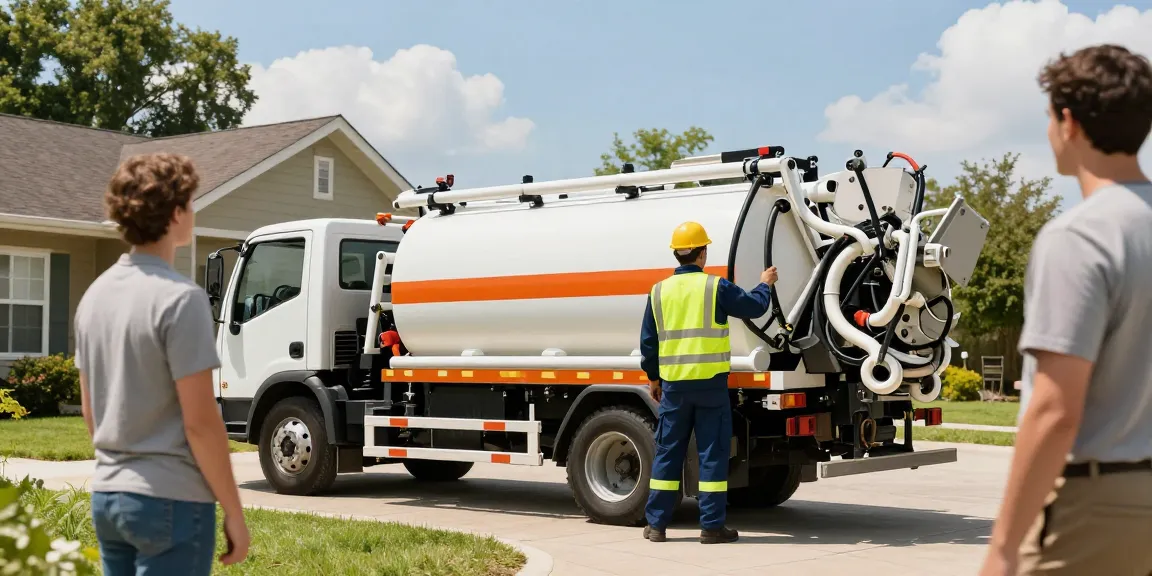
Understanding Septic Pumping and Its Importance
Septic pumping is a crucial service for homeowners and property managers alike, ensuring that septic systems function efficiently and effectively. In many areas, especially where sewage lines aren’t accessible, septic systems serve as the primary waste management solution. Regular maintenance, including scheduled pumping, is essential for the longevity of these systems. Neglecting to pump your septic tank can lead to significant issues, including system failure and costly repairs. When exploring options, septic pumping services can provide reliable and timely maintenance to protect your investment.
What Is Septic Pumping?
Septic pumping refers to the process of removing accumulated sludge and waste from a septic tank. Over time, solid waste settles at the bottom, creating a sludge layer that can reduce the tank’s efficiency. By pumping the tank, you ensure that it continues to function correctly, preventing backups and environmental hazards.
How Often Should You Schedule Service?
The frequency of septic pumping largely depends on several factors, including the size of the tank, the number of occupants in the household, and the amount of wastewater generated. On average, homeowners should schedule pumping every 3 to 5 years. However, larger households or those with additional water usage may need to pump their tanks more frequently.
Signs You Need Pumping Services
It is vital to be aware of the signs indicating a need for septic pumping. These can include slow drains, gurgling sounds in the plumbing, lush patches of grass over the septic drain field, and unpleasant odors. Recognizing these warning signs early can prevent serious septic system failures.
Choosing the Right Local Septic Pumping Provider
Finding a trustworthy septic pumping service provider in your area can make a significant difference in the quality of service you receive. Look for providers with solid reputations, extensive experience, and a commitment to customer satisfaction.
Key Qualities of Trusted Service Providers
When assessing local septic pumping companies, focus on their experience, customer reviews, and credibility. It’s essential to select a provider that is licensed, bonded, and insured, ensuring they adhere to industry standards and regulations.
Researching Local Septic Pumping Companies
Take the time to research local companies. Online reviews and testimonials can provide invaluable insights into a company’s reliability and service quality. Websites such as Yelp and Google Reviews can help you gauge customer satisfaction and potential red flags.
Verifying Licensing and Insurance
Always confirm that your chosen septic pumping company is licensed in your state. Additionally, verify that they carry adequate insurance coverage. This protects you in the event of accidental damage or poor service during the pumping process.
Septic Pumping Costs: What to Expect
Understanding the costs associated with septic pumping can help you budget effectively for this essential maintenance service. Typically, the cost of septic pumping can range from $250 to $895, depending on various factors.
Average Pricing for Septic Pumping Services
The average cost for septic tank pumping usually falls between $300 and $500 for a standard residential tank. This pricing varies based on tank size, region, and additional services required.
Factors Influencing Cost in Your Area
Several factors can influence the cost of septic pumping, including the geographic location, the complexity of the job, and any additional services such as inspections or maintenance checks. It’s beneficial to get estimates from multiple providers to ensure a fair price.
Budgeting for Regular Maintenance
When budgeting for septic system maintenance, consider setting aside funds for regular pumping services. Establishing a routine maintenance schedule not only prolongs the lifespan of your septic system but can also save you money on emergency repairs down the line.
The Risks of Neglecting Your Septic System
Neglecting regular septic maintenance can result in severe consequences. Homeowners should be aware of the risks associated with poor upkeep and the potentially high costs that can arise from system failures.
Common Septic System Failures
Common failures include backups into the home, effluent leaking into the yard, and complete system failure requiring expensive repairs or replacements. Many of these issues can be avoided with regular pumping and maintenance.
Health Hazards Associated with Poor Maintenance
Failing septic systems can pose health risks to you and your family. Untreated sewage can contaminate groundwater and soil, leading to harmful environmental effects and potential health issues for residents.
Environmental Impact of Neglected Septic Systems
Improperly functioning septic systems can lead to serious environmental consequences, including contamination of nearby water bodies. Regular maintenance and responsible waste disposal are crucial in minimizing these impacts.
Customer Testimonials: Success Stories in Septic Pumping
Hearing from satisfied customers can help you choose the right septic pumping service. Many homeowners have shared their positive experiences and the benefits of maintaining their septic systems regularly.
Real Experiences from Your Neighbors
Local testimonials provide insights into how different providers operate, the quality of service, and the importance of timely maintenance. Learning from your neighbors can help you make an informed decision.
Building Trust Through Customer Reviews
Customer reviews are an excellent way to gauge a company’s trustworthiness. Look for companies that consistently receive high ratings and positive feedback. This reflects reliability and a commitment to customer satisfaction.
Before-and-After Success Showcases
Many reputable providers share before-and-after photos of their work, illustrating the effectiveness of their pumping services. This not only demonstrates their capabilities but also helps to build trust with potential customers.
Frequently Asked Questions about Septic Pumping
Addressing common queries regarding septic pumping can provide reassurance to homeowners. Here are some of the most frequently asked questions about septic systems and maintenance practices.
How Much Does Septic Pumping Typically Cost?
Prices for septic pumping can vary greatly, but homeowners should expect to pay between $250 and $895 based on their specific needs. Obtaining quotes from multiple service providers can help clarify expected costs.
What Are the Signs of a Failing Septic System?
Indicators of a failing septic system can include slow drains, unusual odors, standing water around the tank, and sewage backups in your home. Addressing these issues promptly can prevent further complications.
How Can I Extend the Life of My Septic System?
To prolong the life of your septic system, practice regular maintenance, avoid flushing unsuitable items, and schedule routine inspections and pumping. For more information, Miltonsepticpumping.com offers valuable insights. Being proactive is key to preventing costly repairs.
