
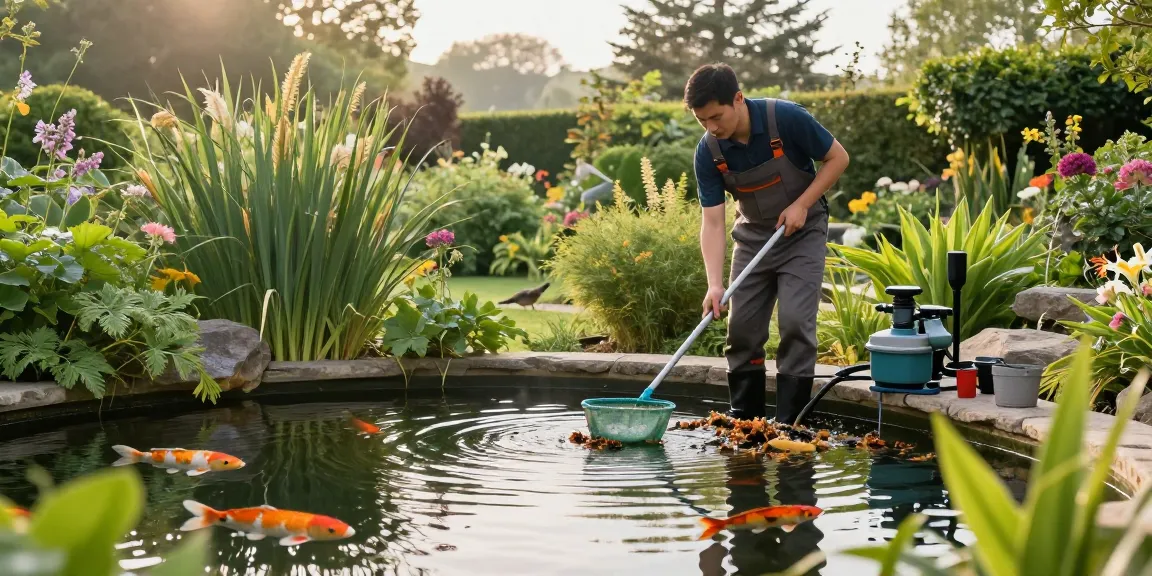
Understanding Professional Pond Cleaning Surrey Services
Pond cleaning is an essential process aimed at maintaining the health and aesthetics of water features in residential and commercial landscapes. In Surrey, professional pond cleaning services are increasingly sought after due to the region’s diverse aquatic ecosystems and the unique challenges they present. This article delves deep into the key aspects of professional pond cleaning in Surrey, exploring techniques, best practices, and the importance of regular maintenance for a thriving pond environment. When exploring options, Professional Pond Cleaning Surrey provides comprehensive insights for pond owners aiming to enhance their aquatic spaces.
What Is Professional Pond Cleaning?
Professional pond cleaning refers to the systematic and thorough cleaning of a pond to remove debris, algae, sludge, and other unwanted materials that could hinder the health of the aquatic ecosystem. This service goes beyond mere aesthetics; it ensures that fish, plants, and other wildlife can thrive in a balanced environment. Typically, a professional cleaning includes draining the pond, cleaning the bottom, and inspecting filtration systems, followed by water quality checks to ensure everything is in optimal condition.
Importance of Regular Pond Maintenance
Regular maintenance of ponds is crucial for several reasons:
- Enhanced Aesthetics: A clean pond is visually appealing and adds beauty to the surroundings.
- Improved Water Quality: Regular cleaning helps maintain good water quality, which is vital for fish and plant health.
- Preventing Algae Growth: Controlling algae prevents oxygen depletion in the water, which can endanger aquatic life.
- Maintaining Ecosystem Balance: Effective maintenance helps preserve the natural balance within the pond, supporting wildlife sustainability.
Ultimately, a commitment to ongoing maintenance can save owners from costly repairs and potential replacements of pond systems later on.
Common Pond Cleaning Techniques
The techniques used in professional pond cleaning can vary based on the size and condition of the pond, as well as the specific needs of its ecosystem. Some of the most common methods include:
- Debris Removal: This involves clearing leaves, twigs, and other organic matter that can decay and pollute water.
- Sludge Vacuuming: Professionals often use specialized vacuums to remove sludge from the pond bottom, enhancing water clarity.
- Pressure Washing: Surfaces may be pressure washed to eliminate algae growth from rocks and pond liners without damaging the aquatic life.
- Water Quality Testing: Analyzing pH levels, nitrates, and other factors ensures that the pond remains healthy for its inhabitants.
Identifying Your Pond’s Specific Needs
Every pond is unique, requiring an understanding of its specific needs to ensure optimal care. Factors such as size, location, and type of wildlife will influence the cleaning approach.
Assessing Water Quality and Filtration
Water quality assessment is fundamental in pond care. Key parameters such as oxygen levels, pH balance, and nutrient concentrations should be regularly monitored. Filtration systems are also crucial; they need to be cleaned and serviced to maintain efficiency, thereby preventing stagnation and the buildup of harmful substances.
Understanding Plant and Fish Health
Healthy aquatic plants are crucial for oxygen production and providing shelter for fish. Regular evaluations of plant health help in identifying any diseases or invasive species. Similarly, observing fish behavior and symptoms can indicate underlying water quality issues, guiding timely interventions.
Recognizing Signs of Pond Neglect
Pond neglect can manifest in various ways, such as:
- Algae Bloom: Excessive algae growth often indicates an imbalance in nutrients, typically due to inadequate cleaning.
- Odor: A foul smell suggests decaying organic matter, which can be harmful to all pond life.
- Clarity Issues: Cloudy water is often a sign of poor filtration or an accumulation of waste products.
- Fish Stress: Signs such as fish gasping at the surface indicate oxygen depletion or toxic water conditions.
Choosing the Right Professional Service
Selecting the right professional pond cleaning service is essential for achieving the desired results. Here are key considerations to keep in mind:
Factors to Consider When Hiring
When evaluating pond cleaning services, consider the following:
- Experience and Expertise: Look for companies with a proven track record and expertise in aquatic ecosystems.
- Services Offered: Ensure they provide comprehensive services that cover all aspects of pond care, including cleaning, maintenance, and emergency care.
- Certifications: Check for any relevant certifications that indicate professional standards and qualifications.
- Insurance: Verify that the service provider is insured to protect against potential liabilities.
Comparing Costs of Pond Cleaning Services in Surrey
The cost of pond cleaning can vary widely based on several factors, including the size of the pond, the complexity of the cleaning required, and the specific services offered. On average, a thorough cleaning might range from £150 to £500. It’s wise to get multiple quotes while also considering the quality and scope of services offered, not just the price.
Exploring Customer Reviews and Testimonials
Before settling on a service provider, explore customer reviews and testimonials. This insight can provide invaluable information on the reliability and quality of service a company offers. Look for feedback on aspects such as timeliness, quality of work, and customer service to make a well-informed decision.
Best Practices for Maintaining a Healthy Pond
Once a pond has been professionally cleaned, ongoing maintenance is crucial for long-term success.
Routine Maintenance Tips for Pond Owners
Pond owners should adopt a routine maintenance schedule, including:
- Regular Inspections: Check water quality monthly and monitor plant and fish health.
- Seasonal Cleaning: Clean the pond at least twice a year, ideally in spring and autumn, to prepare for seasonal changes.
- Skimming Debris: Regularly remove leaves and debris to prevent decay and water quality issues.
- Maintaining Equipment: Ensure pumps, filters, and other equipment are in good working order to support effective circulation and filtration.
Seasonal Care: Preparing Your Pond for Each Season
Each season brings distinct challenges and opportunities for pond care:
- Spring: Time to clean and prepare the pond as wildlife becomes active.
- Summer: Monitor for algae growth and ensure adequate oxygen levels in warmer weather.
- Autumn: Remove leaves and debris to prevent decay; prepare the pond for winter.
- Winter: Ensure water doesn’t freeze solid; consider aeration to maintain oxygen levels.
Dealing with Common Pond Problems
Common issues that may arise include:
- Algae Blooms: Implement solutions like introducing beneficial bacteria or aquatic plants that compete for nutrients.
- Pest Infestations: Ensure that biological controls are in place to maintain fish health without harming the ecosystem.
- Water Clarity Issues: Regular filtration and possibly UV clarifiers can help mitigate clarity problems.
Future Trends in Pond Care for 2026 and Beyond
The future of pond care is evolving, driven by technological advancements and environmental considerations.
Innovative Tools and Technologies in Pond Cleaning
Emerging technologies are shaping how ponds are maintained. Innovations include robotic pond cleaners that automate debris removal and advanced water quality sensors that provide real-time feedback on pond health.
Environmental Considerations in Pond Maintenance
With growing awareness of environmental sustainability, more pond cleaning services are adopting eco-friendly methods. This includes using biodegradable products, reducing water usage during cleaning, and implementing natural filtration systems to support a healthier ecosystem.
The Role of Professional Services in Sustainable Pond Care
Professional services will play a crucial role in advancing sustainable pond care. By incorporating best practices and innovative solutions, these services ensure that ponds remain healthy, thriving ecosystems for years to come.
How much does it cost to get a pond cleaned?
On average, pond cleaning can range from £150 to £500 depending on the size and condition of your pond. Additional services, such as water quality testing or equipment maintenance, may incur extra costs.
How often should a garden pond be cleaned?
Pond experts recommend cleaning your garden pond at least twice a year—once in spring and again at the end of autumn—to prepare for seasonal transitions.
What are the benefits of professional pond cleaning?
Benefits include enhanced aesthetics, improved water quality, and a balanced ecosystem that supports the health and well-being of fish and plants.
How to maintain fish health during pond cleaning?
To maintain fish health, consider temporarily relocating fish to a holding tank, ensure water conditions remain stable, and use products that are safe for aquatic life during the cleaning process.
What tools do professionals use for pond maintenance?
Professionals typically use specialized tools including vacuum systems for sludge removal, pressure washers for cleaning surfaces, and water quality testing kits to monitor parameters.

